

Conservation Advisory
Determining which conservation and other outcomes a property can realistically support, which approach best serves the landowner’s goals for the land, their family, and their finances, and how it could be funded—then managing the entire process from beginning to end.
Conservation projects rarely fail for lack of effort or passion
Projects often falter when work passes from one professional to another. Terra Alta keeps the process connected and works to identify new opportunities as the project moves through all its stages.
Nobody owns the sequence
The appraiser, surveyor, funder, title company, landowner, and easement holder are all working toward the same closing, but often on separate tracks.
Without one party coordinating deadlines, dependencies, and decisions, small disconnects can lead to delays, duplicated work, and unnecessary costs.
Finding opportunities others may miss
By managing the entire process, Terra Alta develops a complete view of the project—its moving parts, immediate needs, and long-term objectives.
This perspective helps uncover opportunities, avoid unnecessary work, and keep decisions aligned with the landowner’s goals for the property, their family, and their financial future.
Identifying potential problems early
A mineral reservation, access issue, survey problem, or unacceptable title exception can derail a project if discovered too late.
Identified early, these issues can often be addressed. Near closing, they can create costly delays and leave the landowner with few good options.
Representing the owner at every stage
The easement holder drafts the agreement to protect the conservation interest it will hold, as it should.
Terra Alta reviews those same terms from the owner’s perspective—considering not only what is needed to close, but how the restrictions, reserved rights, and obligations will affect the property and its owners for decades to come.

The seat Terra Alta occupies
A land trust or agency holds the easement and answers to its board, policies, and funders. The appraiser is responsible for the valuation, legal counsel for the documents, and the funding program for its requirements and timeline. Each plays an essential role, but none is responsible for the project as a whole from the client’s perspective.
Terra Alta sits at the table on behalf of the client. Because we neither hold easements nor administer funding programs, we are not tied to a particular conservation tool, funding source, or outcome.
Our role is to determine what works best for the client and then carry that strategy through to completion.

How an engagement runs
Understand the property and the client’s goals
Assess what the property can support, what the landowner wants to accomplish, and which conservation strategies are realistically viable.
Evaluate the likely benefits, costs, constraints, timing, and risks of each option. Sometimes the most valuable advice is recognizing early that a particular approach—or the project itself—should not proceed.

Build the right strategy
Identify potential easement holders, funding sources, and financial incentives, including public or private funding, bargain-sale structures, and possible charitable tax benefits to be evaluated by the client’s legal and tax advisors.
Determine partner and matching requirements, application deadlines, and the steps needed to make the project feasible and competitive.

Guide the project through completion
Coordinate negotiations, appraisal, survey, title, environmental review, baseline documentation, funding requirements, and closing so that decisions are made in the right order and problems are identified early.
Terra Alta provides one point of coordination throughout the process, keeping the work connected and the project focused on the client’s goals.

The structural components a conservation project turns on
-
Donation, purchase, bargain sale, term agreement, or an outright sale to a conservation buyer—each offers a different combination of conservation outcomes, financial benefits, and long-term implications for the landowner and the property.
-
The right easement holder depends on its capacity, interest, stewardship requirements, and whether its mission aligns with the property and the owner’s goals. An organization’s willingness to hold the easement does not necessarily make it the best fit.
-
The before-and-after appraisal, the funder’s valuation requirements, and how each strategy may affect value often determine which path is viable—and can reorder every other decision.
-
Federal, state, county, and private funding sources each have their own eligibility rules, matching requirements, selection criteria, and timelines. Some also require an eligible partner to be in place before an application can be submitted.
-
The owner’s retained rights and how the restrictions may be interpreted decades from now by someone who was not part of the original negotiations. These are often the most consequential decisions in the entire process.
-
Sometimes the best path is a conventional sale, a division among heirs, a different conservation structure, or simply waiting. The advice is only valuable if the recommendation can genuinely go in any direction.

Common questions about Terra Alta’s Conservation Advisory services
-
Start with the property and what you want to accomplish for the land, your family, and your finances. Terra Alta will assess what the property may support, identify potential constraints, and determine which options are worth exploring. You do not need to choose a strategy or assemble a professional team first.
-
It may be, but Terra Alta evaluates conservation alongside other options. These could include an easement donation or purchase, bargain sale, term agreement, sale to a conservation buyer, division among heirs, conventional sale, or simply waiting.
Because Terra Alta neither holds easements nor administers funding programs, our recommendation is based on what best serves your goals
-
Not before contacting Terra Alta. We can help identify appropriate easement holders, appraisers, funding partners, and other professionals. If you already have a team, we work alongside it while providing strategy and coordination from the landowner’s perspective.
-
A qualified appraiser must determine the easement’s value. Terra Alta can help you understand the appraisal process, evaluate how different structures and retained rights may affect the transaction, and identify potential funding and financial incentives.
Any tax benefits should be evaluated with your legal and tax advisors.
-
Cost and timing depend on the property, transaction structure, funding requirements, and due diligence involved. Terra Alta generally works for a fixed fee or an hourly rate within a defined scope, often divided into phases.
Appraisal, survey, title, legal, and similar expenses are separate third-party costs, although project funding may cover some of them. The initial assessment can establish a likely scope, budget, and schedule before you commit to the full transaction.
Conservation Advisory Projects
Buffalo Creek Wilderness
for Arcadian Land & Water
A state wildlife agency wanted the property and there was no money on the table. Terra Alta developed the $13.5 million Forest Legacy Program application that positioned it for acquisition by the North Carolina Wildlife Resources Commission.

Great Canal Farm
for International Farming
An investment firm held 760 acres of productive Central Valley farmland and wanted it protected permanently. Terra Alta identified the land trust to hold the easement and navigated the state funding process, protecting the farm while keeping it commercially viable.

Farmland Preservation Program
for the Village of Corrales
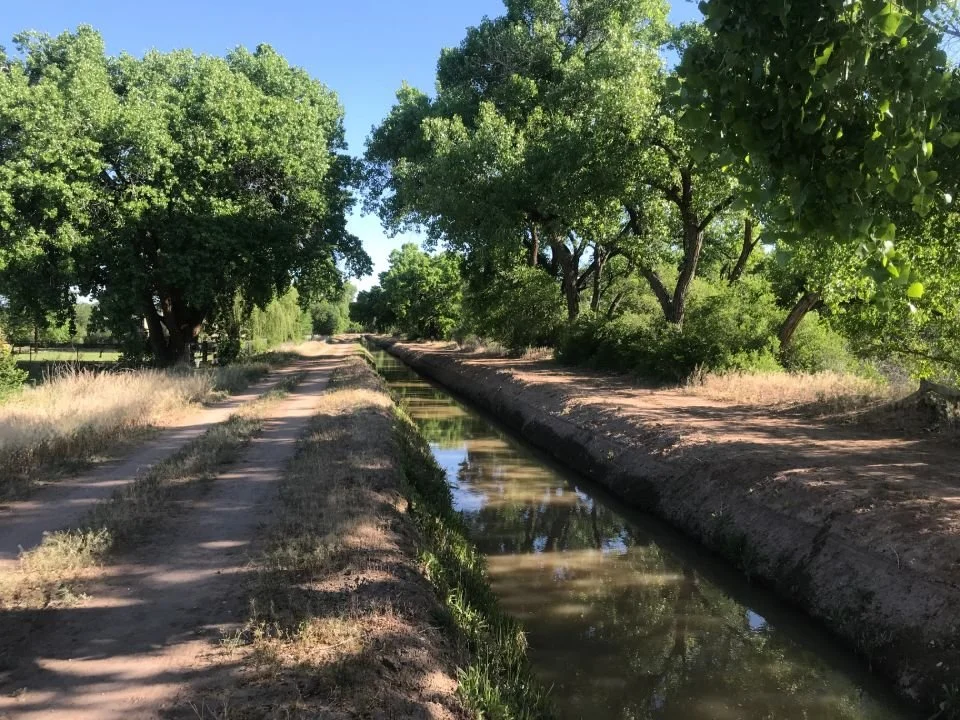
A village in New Mexico passed a bond to protect its farmland and needed the funds turned into completed easements. Terra Alta serves as Conservation Advisor to the program, with three easement projects currently active and four others completed.
What conservation advisory covers
-
A written assessment of what the property can realistically support and which conservation strategies best align with the owner’s goals for the land, their family, and their finances.
Terra Alta identifies potential conservation outcomes, significant constraints, unresolved risks, and viable paths forward. Each option is evaluated based on what it requires, the benefits it may provide, and the issues that could prevent it from succeeding. The result may be a recommended conservation strategy—or a conclusion that another course is better.
-
Determining whether the best approach is an easement donation, funded purchase, bargain sale, term agreement, sale to a conservation buyer, or another structure.
Terra Alta helps select the appropriate easement holder, define the rights the owner needs to retain, and evaluate how the proposed arrangement may affect value, operations, inheritance, future use, and eventual resale. This work is completed before permanent terms are negotiated and recorded.
-
Identifying the public and private funding sources, potential tax incentives, and other financial benefits that may help make a project possible.
Terra Alta evaluates eligibility, matching requirements, selection criteria, partner requirements, and application schedules, then develops a strategy for combining the available options. Services may include partner development, conservation narratives, mapping, project budgets, and preparation of competitive funding applications. Tax considerations are addressed with the client’s legal and tax advisors.
-
Managing the project’s critical path and keeping the many people involved working toward the same outcome.
Terra Alta coordinates the landowner, easement holder, agencies, attorneys, appraisers, surveyors, title company, funders, and technical consultants around a shared schedule. Milestones, dependencies, documents, and decisions are tracked from initial feasibility through closing so that work happens in the right order.
-
Identifying and addressing the property and transaction issues that could delay closing, increase costs, reduce funding, or prevent the project from proceeding.
Terra Alta coordinates title, survey, legal access, appraisal, environmental review, mineral ownership, baseline documentation, and other closing requirements with the appropriate professionals. Problems are raised early, while the landowner still has time and options for resolving them.
-
Supporting the landowner through negotiations with the easement holder, funders, agencies, and other parties to the transaction.
Terra Alta helps translate the owner’s financial, operational, family, and long-term goals into practical easement terms. Particular attention is given to retained rights, permitted uses, future improvements, property divisions, management flexibility, and how the agreement may be interpreted decades from now. This work supports—and does not replace—the client’s legal counsel.
-
Structuring durable real estate protection for mitigation banks, permittee-responsible mitigation sites, and other compensatory mitigation projects.
Terra Alta assists with easement-holder selection, conservation instruments, surveys, baseline documentation, stewardship provisions, long-term management funding, regulatory requirements, and closing. We coordinate the real estate process among mitigation providers, landowners, regulators, legal counsel, and the organization that will hold and steward the conservation interest.
-
Helping owners, buyers, and sellers understand how an existing conservation easement affects the use, management, transfer, and value of a property.
Terra Alta reviews the easement from a practical real estate perspective, identifies retained rights and important restrictions, and evaluates issues that may arise during ownership or sale. When questions, consents, potential amendments, or compliance concerns arise, we help the client work with the easement holder and legal counsel to determine an appropriate path forward.

Start with the property and the questions
You do not need to know which conservation option is right—or whether conservation makes sense at all. Tell us about the property and what you hope to accomplish. We will help identify what is realistically possible and which paths, if any, are worth pursuing.