
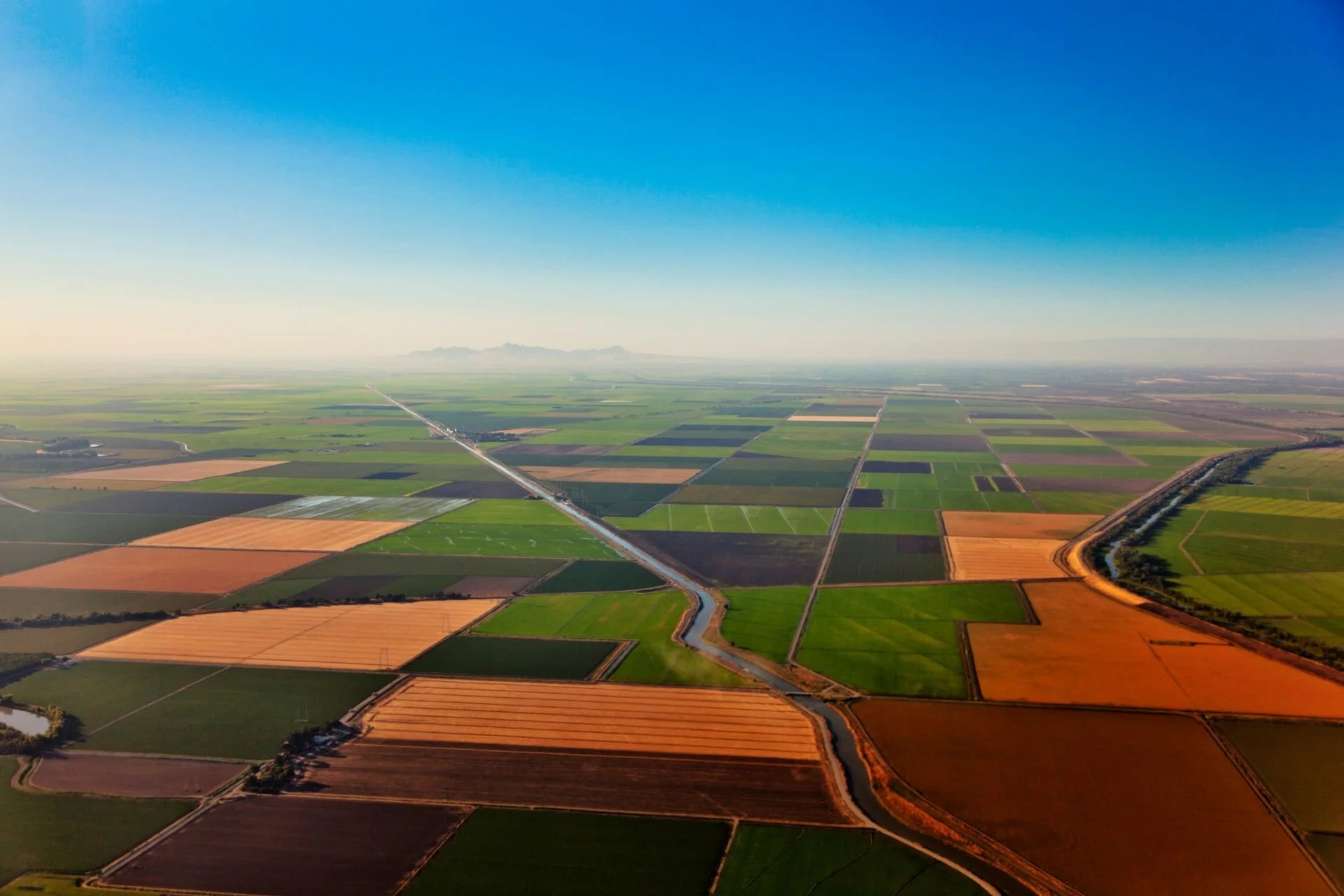
An investment firm sought permanent protection for 760 acres of productive commercial farmland in California’s Central Valley. The challenge was to protect the land while preserving the flexibility needed for a viable agricultural operation.
Great Canal Farm
Client
International Farming
Service
Conservation Advisory
State
California
Status
Farmland Protected
International Farming sought permanent protection for approximately 760 acres of productive farmland in Fresno County, California. The conservation easement needed to prevent conversion while preserving the flexibility required for a viable commercial agricultural operation.
Achieving both objectives required the easement structure, land-trust partnership, state funding requirements, and operational needs of the farm to be addressed together. Terra Alta helped guide the project from initial feasibility through funding, documentation, and recording.
Protecting commercial farmland while keeping it productive
Evaluated feasibility and developed the strategy
Terra Alta assessed whether the property could qualify for state farmland-conservation funding and what transaction structure would give the project a realistic path forward.
The review considered eligibility, conservation value, funding requirements, transaction costs, and the operational needs of the farm before the owner committed substantial time and resources.

Identified and engaged the easement holder
Terra Alta identified California Farmland Trust as an appropriate organization to hold and steward the easement and brought it into the project early.
The selection considered more than willingness to participate. The land trust also needed the capacity, agricultural experience, and long-term stewardship approach required for the property.

Coordinated the state funding process
Terra Alta worked with the California Department of Conservation and California Farmland Trust to address application requirements, mapping, supporting documentation, review comments, and transaction milestones.
Keeping the funding requirements and easement process aligned helped the project move through the state program in the required sequence.

Protected the land without preventing its use
Terra Alta reviewed the proposed easement terms and transaction documents from the practical perspective of the owner and agricultural operator, in coordination with the project’s other professionals.
The recorded easement permanently protects the farmland from conversion while preserving the rights and flexibility needed for continued commercial agricultural use.

Farmland conservation presents a distinct challenge: permanent protection must coexist with an active and evolving agricultural business. Easement terms must satisfy the funding program and easement holder while preserving the flexibility the operation needs to remain productive.
For institutional and investment owners, the perceived conflict between conservation and commercial use can cause a viable option to be dismissed too early. With informed planning and negotiation, those objectives can often be reconciled—protecting the land without unnecessarily limiting the agricultural operation.
Valued Partners
760
Acres of Farmland Protected
3,042
Development rights extinguished
958,603
Metric tons of carbon avoided
2025
Project completed
Other Terra Alta Projects
Farmland Preservation Program
A village passed a bond to protect its farmland and needed the money turned into completed easements.
Terra Alta serves as Conservation Advisor to the program, with three easement projects currently active and four others completed.
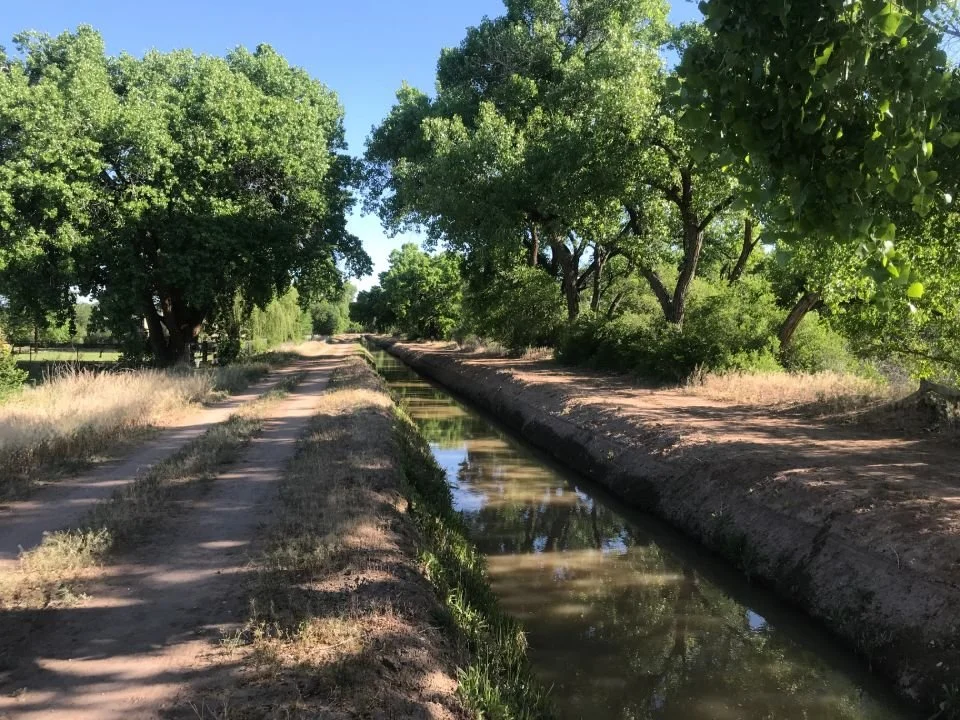
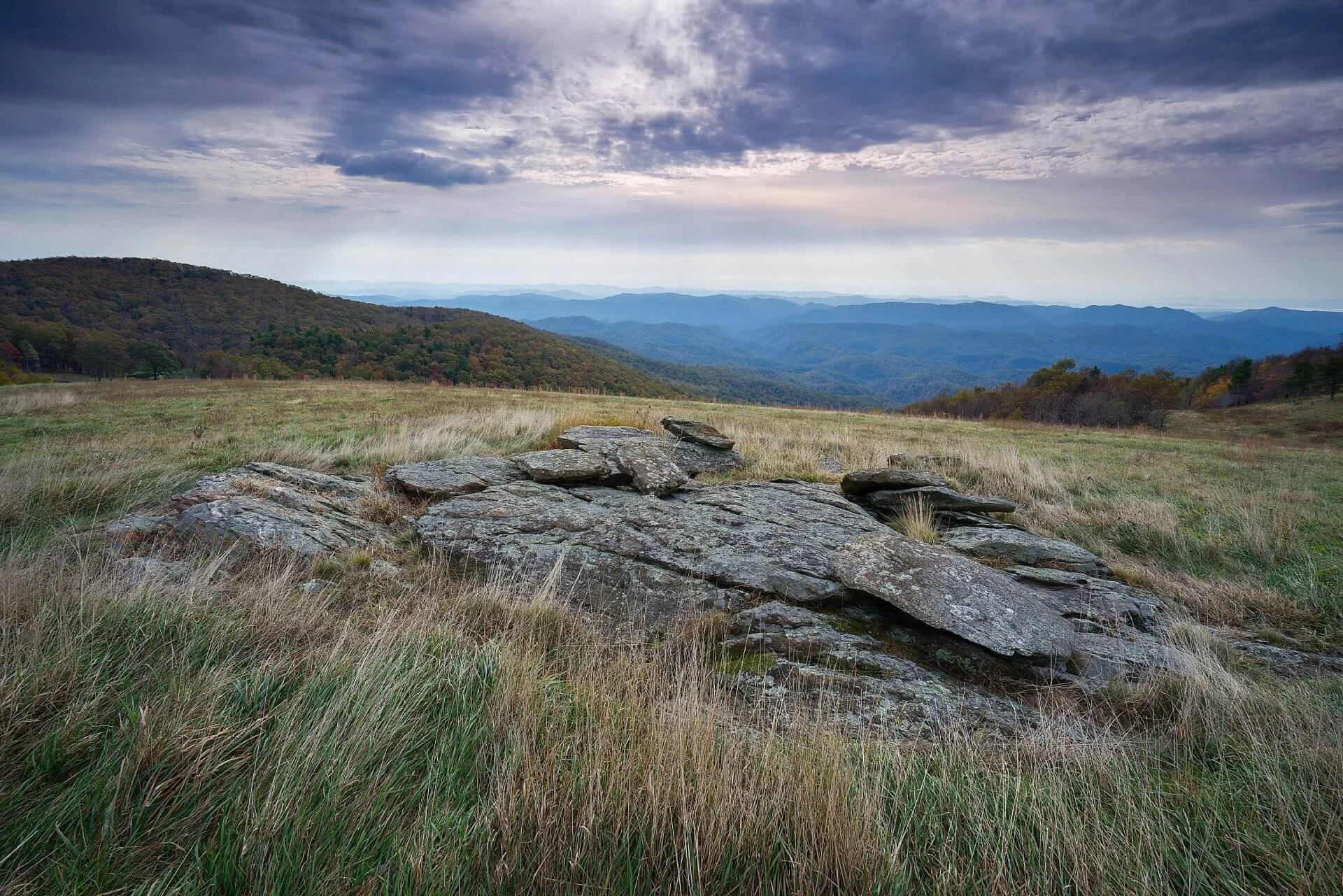
Buffalo Creek Wilderness
A state wildlife agency wanted the property and there was no money on the table.
Terra Alta developed the $13.5 million Forest Legacy Program application that positioned it for acquisition by the North Carolina Wildlife Resources Commission.
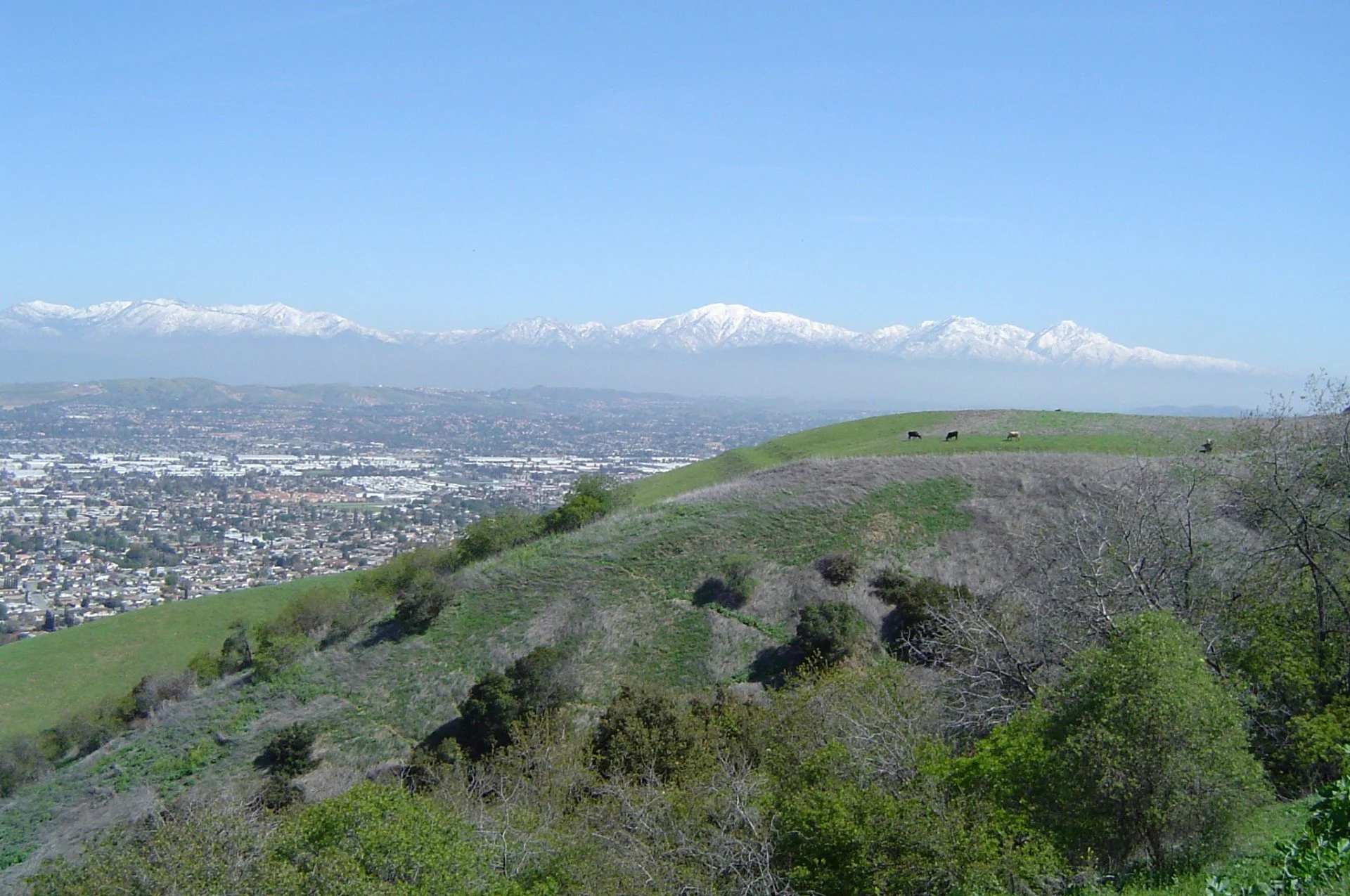
San Gabriel Valley Community Land Trust Study
A regional coalition wanted to know whether a land trust would work and where it should start.
Terra Alta led the geographic analysis across 18 municipalities that identified where land acquisition would have the greatest effect.

Start with the property and the questions
You do not need to know which conservation option is right—or whether conservation makes sense at all. Tell us about the property and what you hope to accomplish. We will help identify what is realistically possible and which paths, if any, are worth pursuing.