
Insights
Practical guidance on conservation strategy, planning, funding, and land transactions—along with informed perspectives on buying and selling property in New Mexico.
Why a Robust Stewardship Endowment Matters for Conservation Easements
A conservation easement is meant to last forever, but perpetual protection has a running cost. Why a well-funded stewardship endowment is what keeps monitoring, enforcement, and the promise itself credible.
The Quiet Shift From Conservation Philanthropy to Conservation Investment
For decades, conservation ran on charitable giving and grants. Over the past fifteen years, investors and family offices have started treating conservation-minded land as a long-term asset. A look at what is behind the shift.

Conservation Is Infrastructure: Why Public Investment Must Support Both Development and Natural Systems
Roads and pipes get public money as a matter of course. Wetlands, forests, and floodplains do similar work, filtering water and buffering floods, and the case for funding them as infrastructure keeps getting stronger.

Why Would Landowners Voluntarily Protect Their Land with a Conservation Easement?
No one requires a conservation easement; every one is a choice. This looks at why landowners decide to protect their land, from keeping a family operation whole to legacy, estate, and tax planning.
Conserving Agricultural Water Rights: The Role of Conservation Easements
In much of the West, a farm's water right can be worth more than its soil, and there is steady pressure to sell it off. How conservation easements can keep water tied to the land that depends on it.
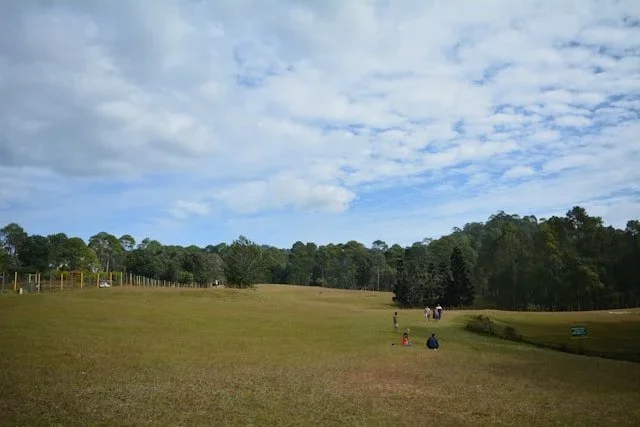
Why Everyday People Should Care About Open Space and Land Conservation
You do not have to visit a national park to benefit from conservation. Open space quietly supports clean water, local economies, property values, and daily health, right where people already live.

Integrating Land Conservation Into Farm, Land, and Ranch Brokerage: A Powerful Tool for Finance and Legacy
Adding a conservation easement to a farm or ranch sale can change the math for both sides. How the approach can unlock tax benefits, protect a legacy, and widen the pool of buyers who see value.
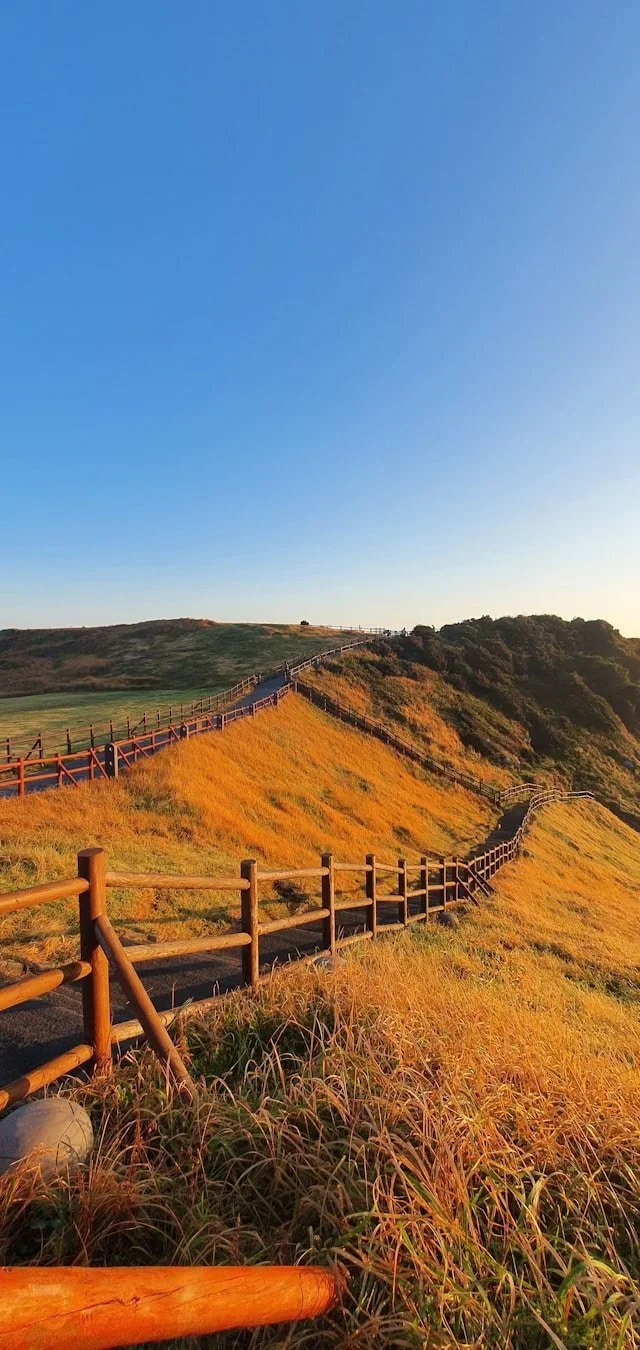
Your Land, Your Legacy: Flexible Conservation Easements for the Real-World
A conservation easement does not have to lock up the whole property or every use. Landowners can protect the sensitive acres, keep the rights they need, and build terms around how they actually use the land.
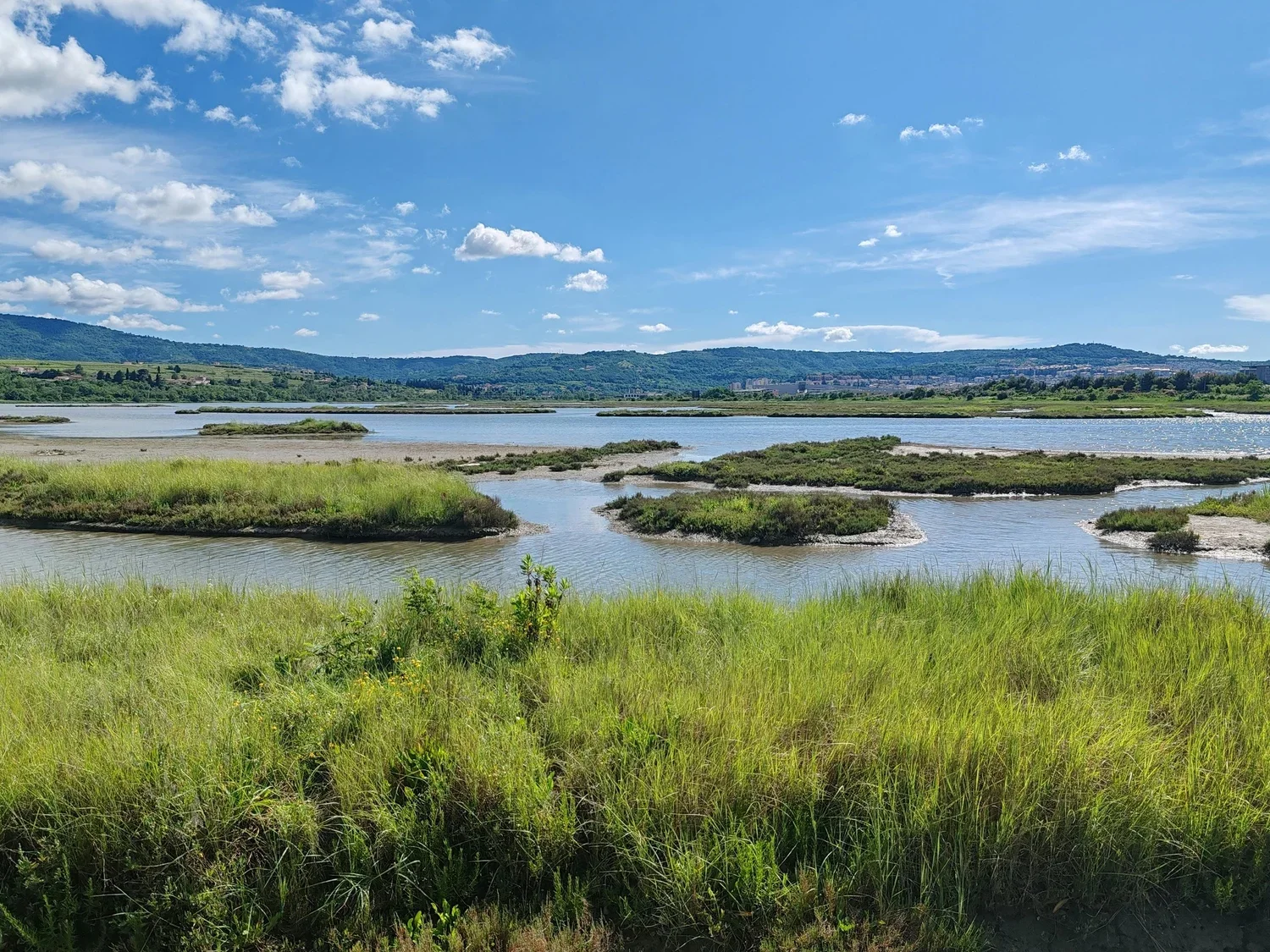
Mitigation as a Market for Environmental Services
Ecological damage rarely shows up on a balance sheet. Mitigation banking changes that, pricing wetlands, streams, and habitat, and paying for restoration at a scale individual projects cannot reach.
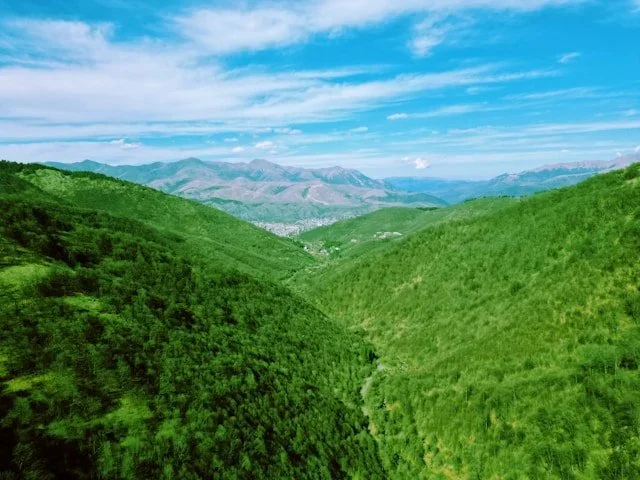
The Quiet Sacrifice of Private Lands Conservation
When a landowner gives up development rights, they give up money they could have taken. A reflection on why owners choose to protect their land, and the public value that quiet decision creates.

Preparing Your Farm or Ranch for the Next Generation
America's farmers and ranchers are aging, and an enormous amount of land is set to change hands. Five practical steps to prepare a family operation, and the next generation, for the transition.

Why Mitigation Matters: A Practical Path for Streams, Wetlands, & Endangered Species
Mitigation exists because streams and wetlands are being lost, which makes it easy to dismiss. With federal protections narrowing, it may be one of the more practical tools left for real ecological gains.
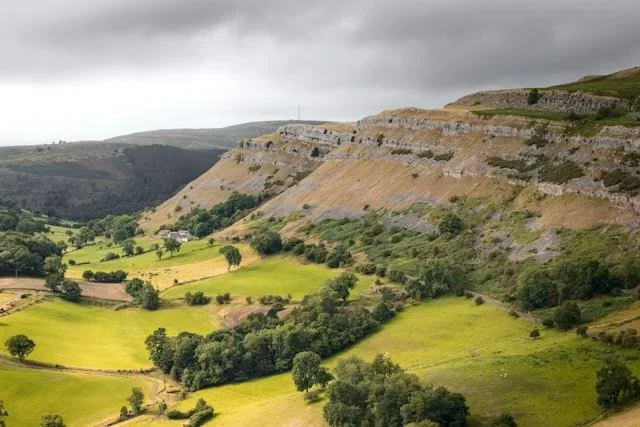
Stretching Open Space Dollars: Why Conservation Easements Make Sense
Buying land outright is the expensive way for a community to protect open space. Conservation easements let municipalities protect more acres with the same budget, without taking on the costs of ownership.
The Case for Hiring a Conservation Advisor When Preserving Your Land
A conservation easement is permanent, and the details decide whether it serves a landowner's goals. This makes the case for what a conservation advisor does, and when bringing one in is worth it.
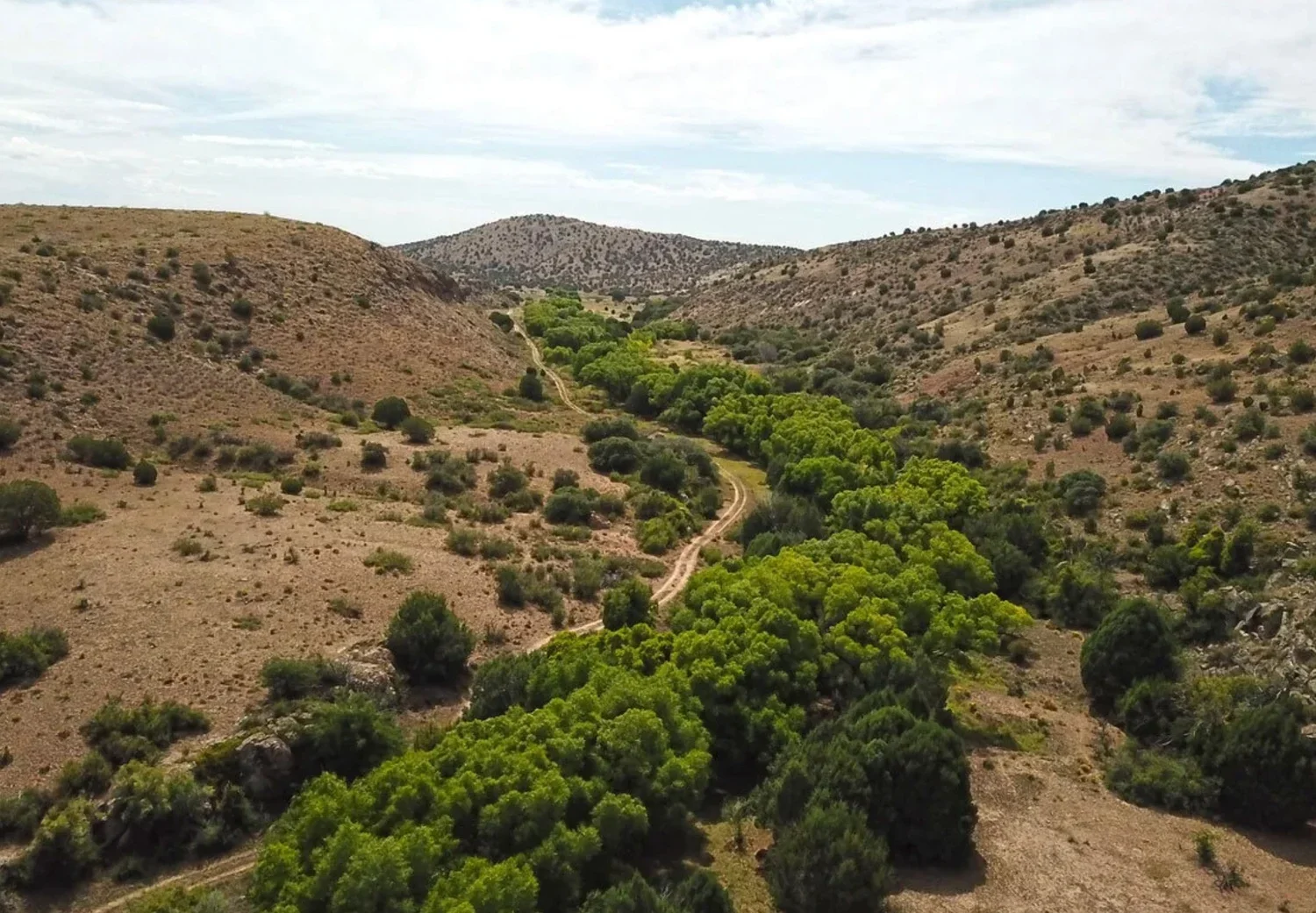
Prevost Ranch: A Case Study in Conservation Easement Real Estate
South of Silver City, desert grassland meets rare wetland on the 2,760-acre Prevost Ranch. A look at how a property already under conservation easement found the right buyer, with its habitat and its ranching both intact.
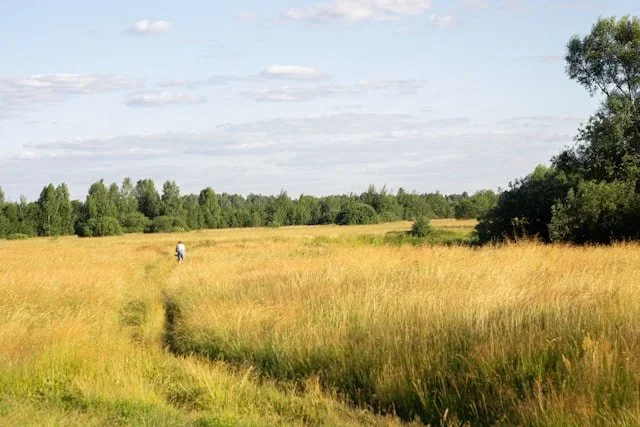
Conservation Easements: Balancing Legacy, Land, and Livelihood
A conservation easement can sound like handing over control. In practice it lets landowners protect what matters, keep the land working, and still own, use, and pass on their property.
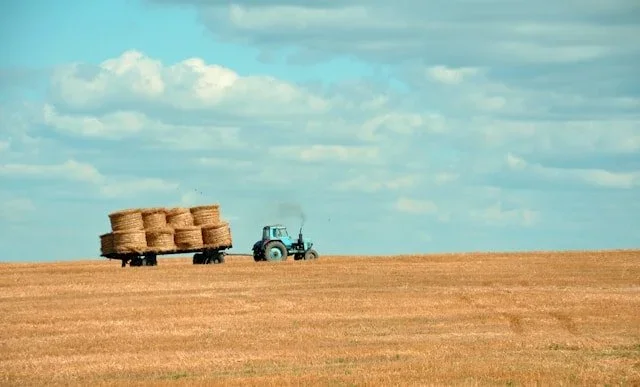
Land Conservation Planning for Private Landowners: A Flexible Path to a Lasting Legacy
Protecting land does not have to be all or nothing. Conservation planning helps private landowners weigh their options, keep working land in production, and shape what happens to a place across generations.
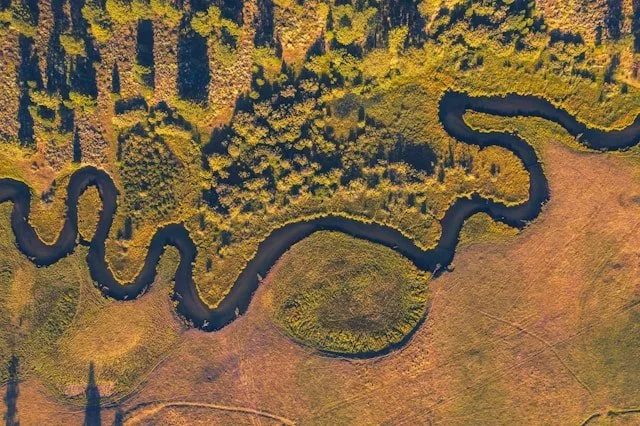
Mitigation 101: Understanding the Basics of Environmental Offsets
Mitigation credits let development offset unavoidable damage to wetlands, streams, and habitat by funding restoration elsewhere. A plain-language look at how the system works and who oversees it.
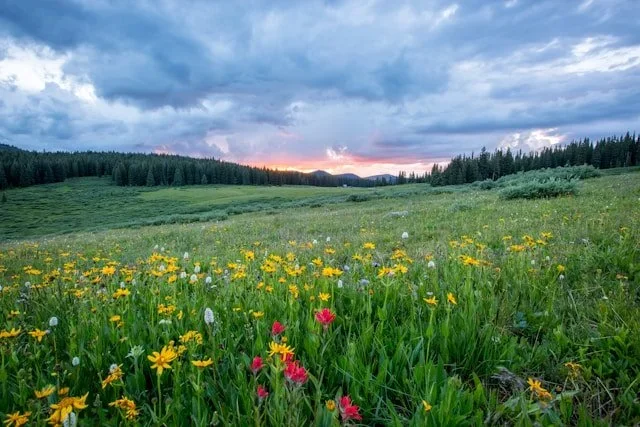
The Public Benefits of Private Land Conservation
Private land does not have to be open to the public to benefit the public. Clean water, wildlife habitat, working farms, and lower infrastructure costs all trace back to land kept in private hands and protected.
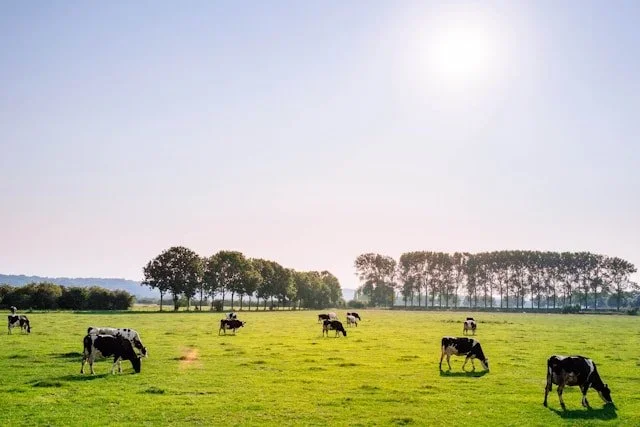
Working Lands & Conservation
Around 60 percent of the country is privately held working land, yet only a small share is protected. A look at how conservation easements and federal programs help keep farms, ranches, and forests both productive and intact.

Tell us what you own or manage and what you are trying to decide. We will give a clear assessment of what may be possible, what it would take to get there, and when there simply are not viable options.