
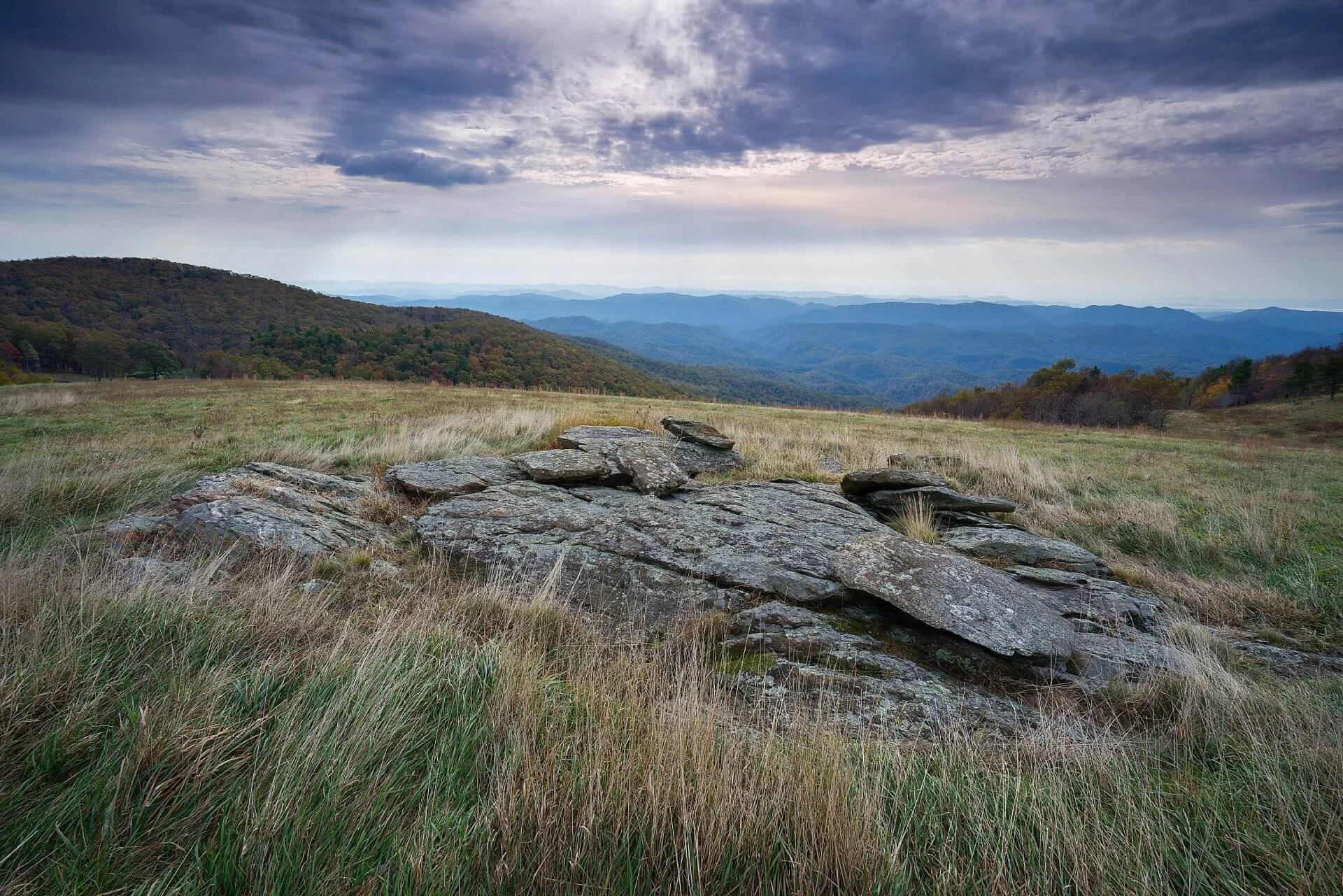
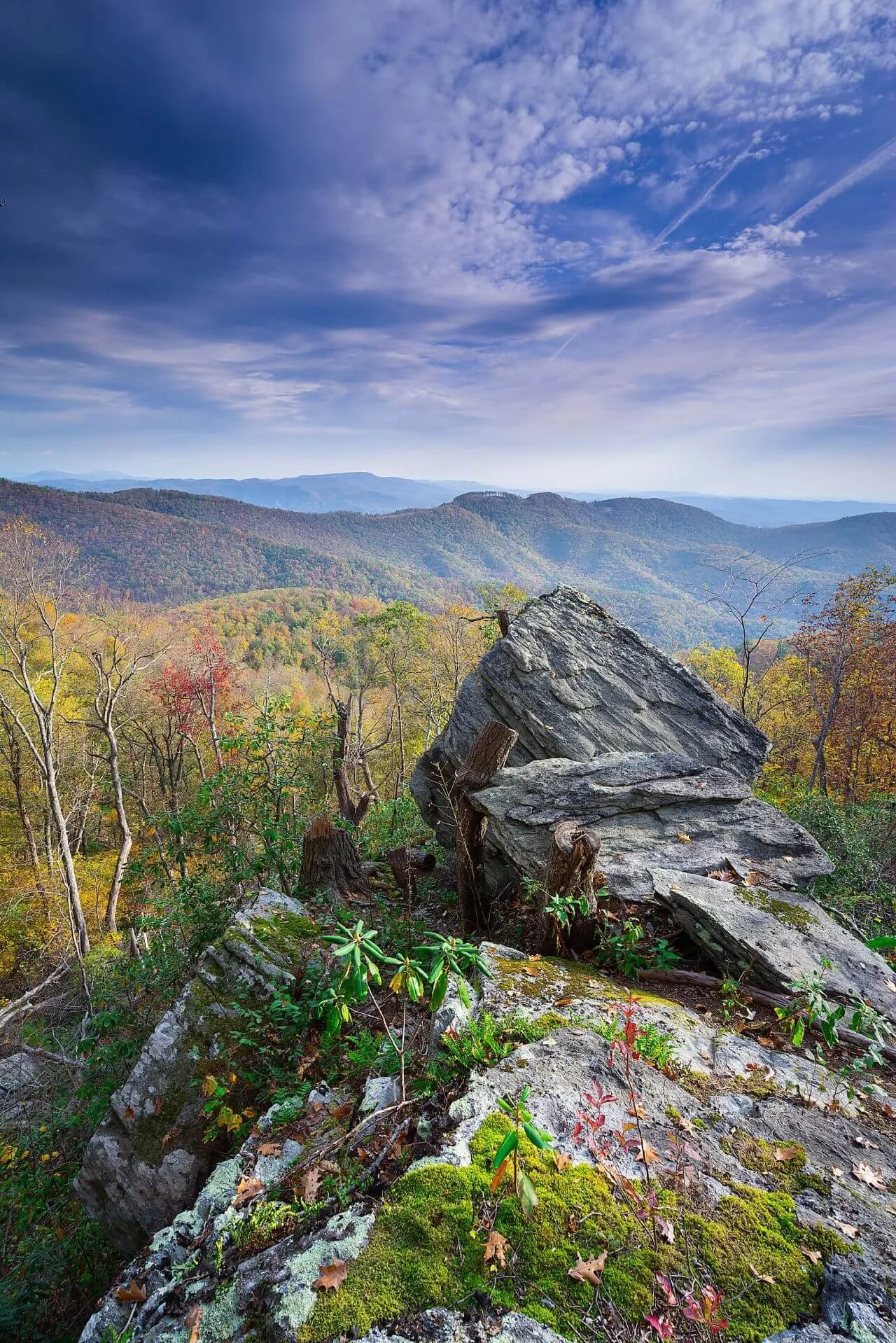
Buffalo Creek Wilderness
A state wildlife agency identified more than 1,200 acres as a conservation priority but lacked the funding to acquire it. A competitive federal grant provided the necessary funding, allowing the property to enter permanent public ownership.
Client
Blue Ridge Buffalo Partners
Service
Conservation Advisory
State
North Carolina
Status
Public Lands
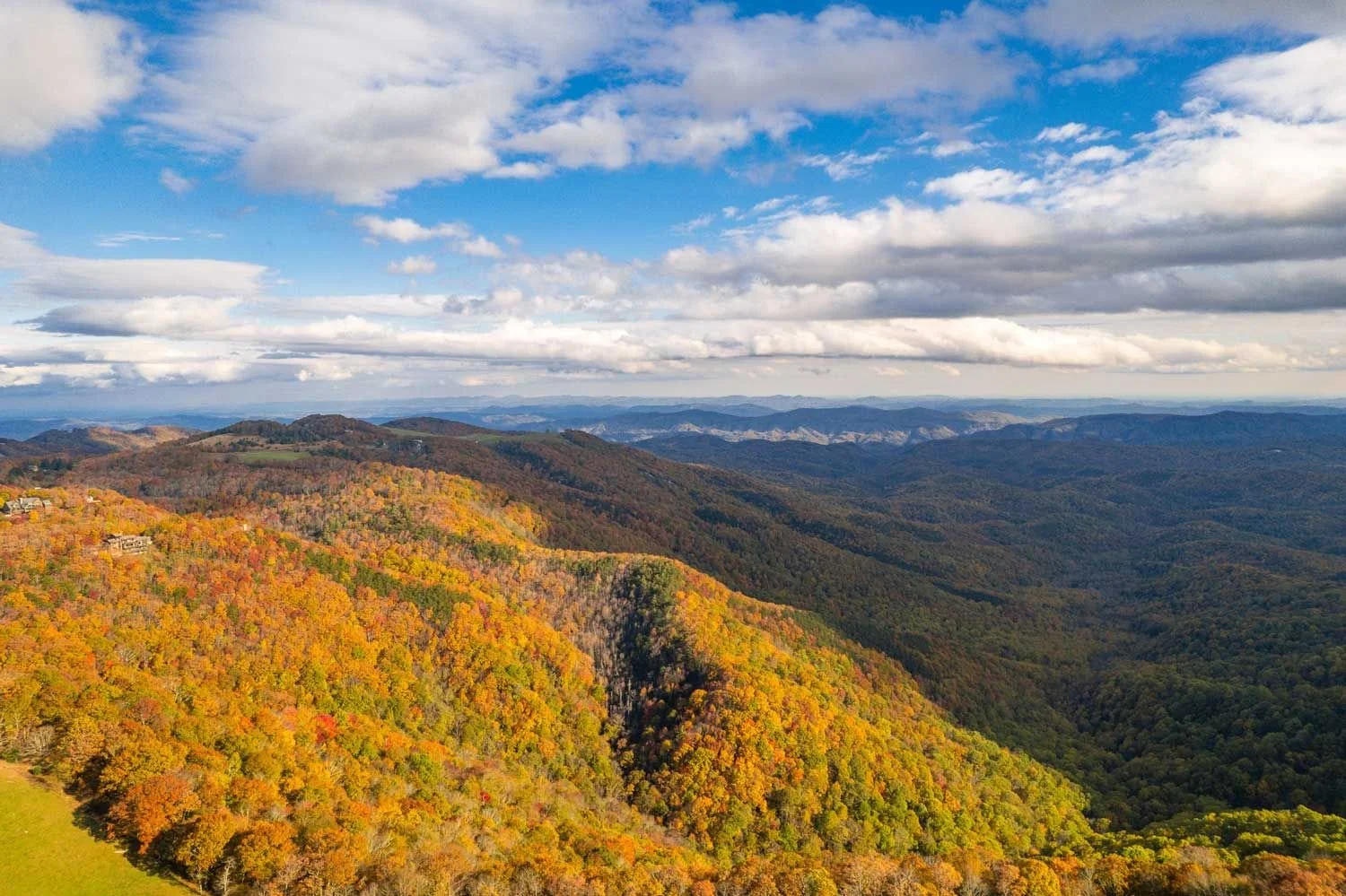
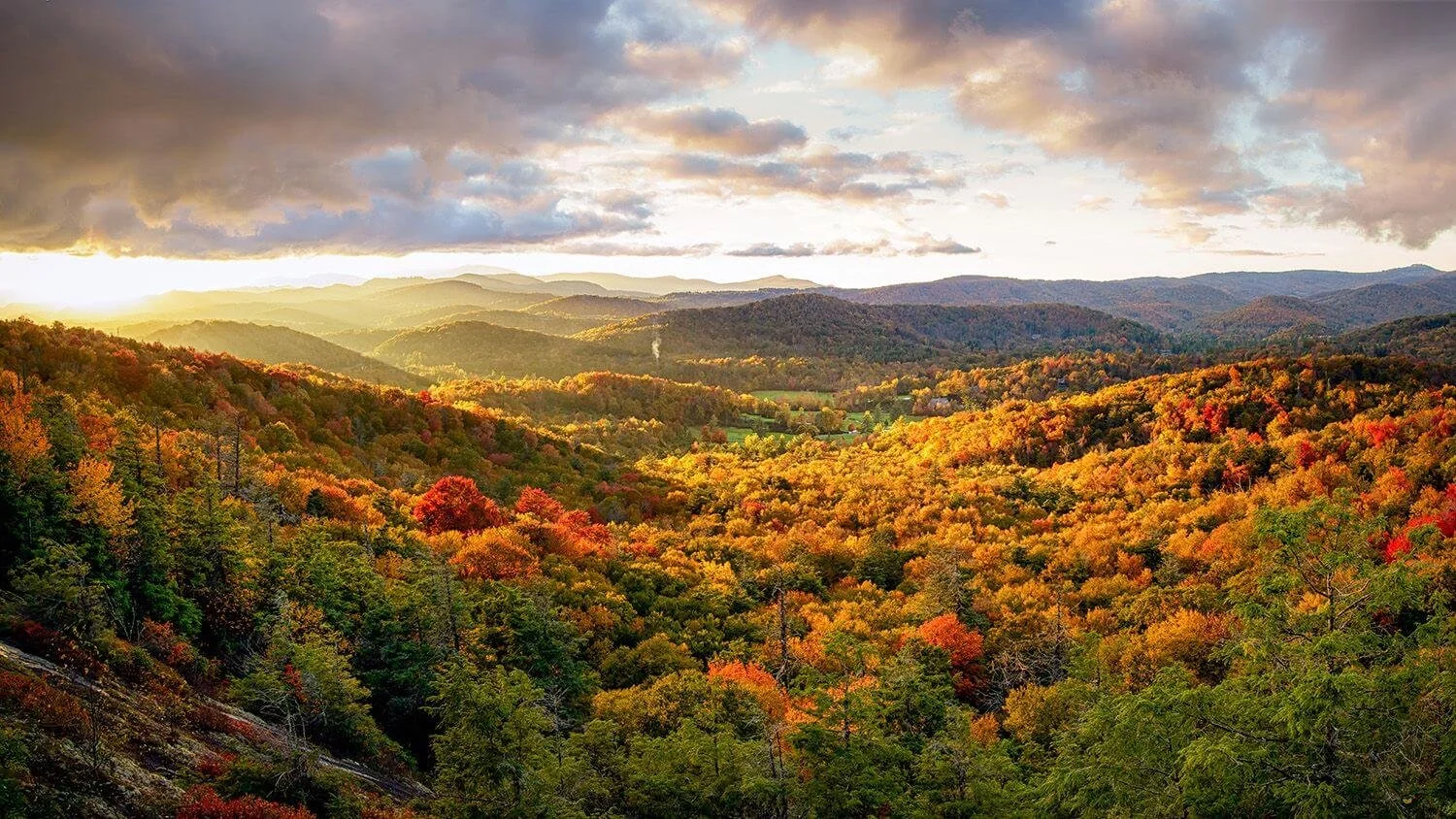
Blue Ridge Buffalo Partners owned approximately 1,218 acres of forestland in Watauga and Caldwell counties, North Carolina. The North Carolina Wildlife Resources Commission identified the property as a conservation priority and sought to bring it into permanent public ownership, but acquisition funding was not available.
Terra Alta identified the Forest Legacy Program as a potential funding source, helped establish the necessary state partnership, developed the competitive federal application, and supported the project after the award. The application received $13.5 million and became the primary funding source for the acquisition.
Securing $13.5 million for a priority forest acquisition
Matched the property to the right program
Terra Alta evaluated the property’s forest resources, conservation importance, conversion risk, and relationship to surrounding protected lands.
That analysis identified the Forest Legacy Program as a strong fit and established what the project would need to demonstrate to compete for funding.

Built the right partnership
The project needed an eligible state partner and support within North Carolina before it could compete nationally.
Terra Alta helped connect the landowner’s proposed transaction with the North Carolina Wildlife Resources Commission and align the property, public-acquisition objective, and funding strategy.

Developed the competitive application
Terra Alta prepared the $13.5 million application by documenting the property’s conservation values, development threat, landscape context, public benefits, transaction structure, and matching contribution.
Maps, narrative, supporting evidence, and project costs were assembled into a clear case for federal investment.

Supported the award through implementation
A grant award does not complete an acquisition. Appraisal, documentation, administrative approvals, funding conditions, and transaction milestones still must be addressed.
Terra Alta assisted with the post-award requirements needed to activate the funding, maintain the project schedule, and advance the property toward permanent public ownership.

Securing conservation funding is usually a matter of project structure before it becomes a matter of application preparation. The parties must first determine who can apply, which partners or sponsors are required, how matching funds will be provided, what the program prioritizes, and whether the project can satisfy its conditions.
For an institution, investor, or family whose land has been identified for conservation but cannot yet be acquired, this early strategy often determines whether the project can become fundable and move forward.
Valued Partners
$13.5 million
Forest Legacy Program funding
1,218
Acres protected forever
7 miles
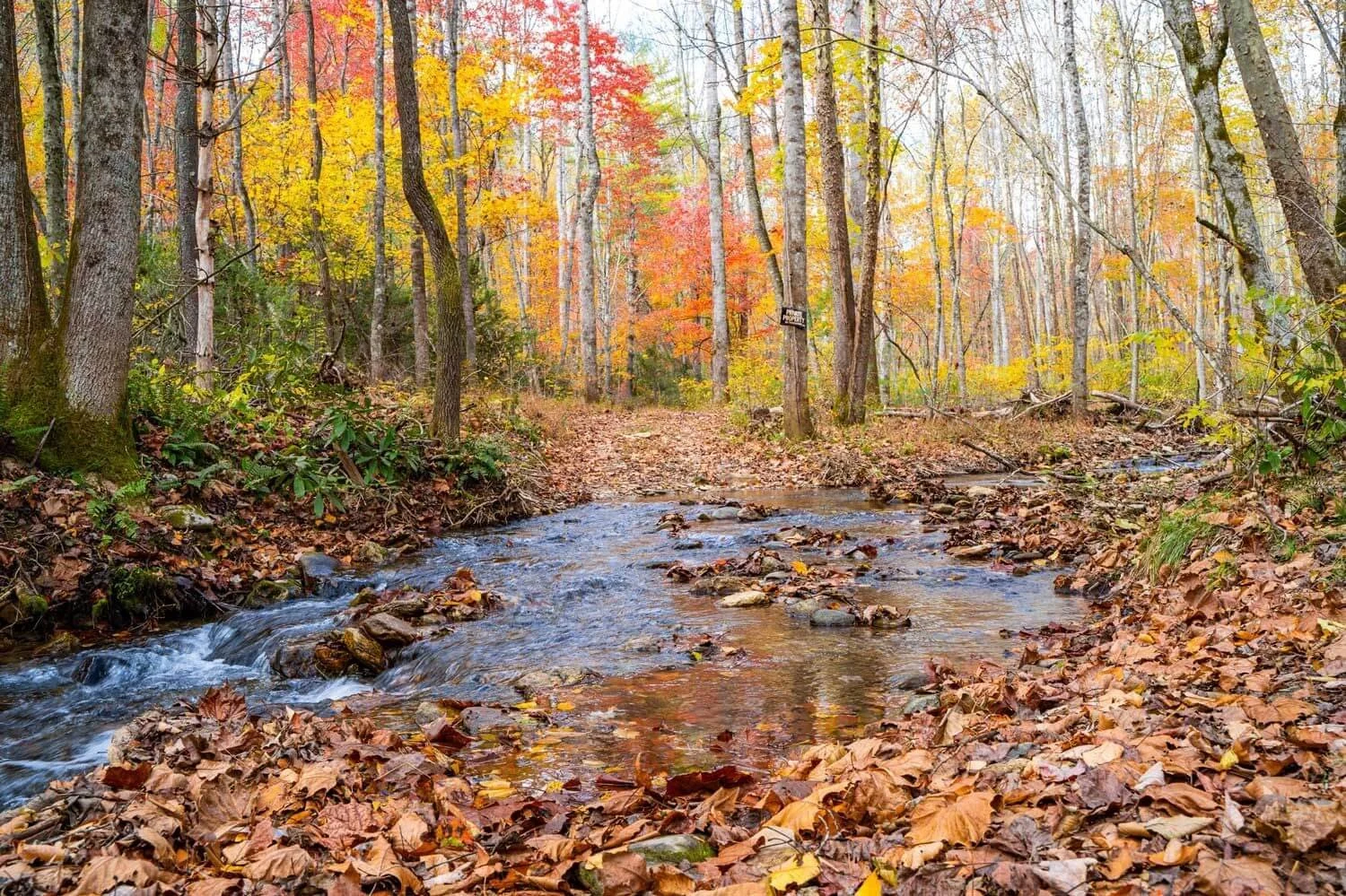
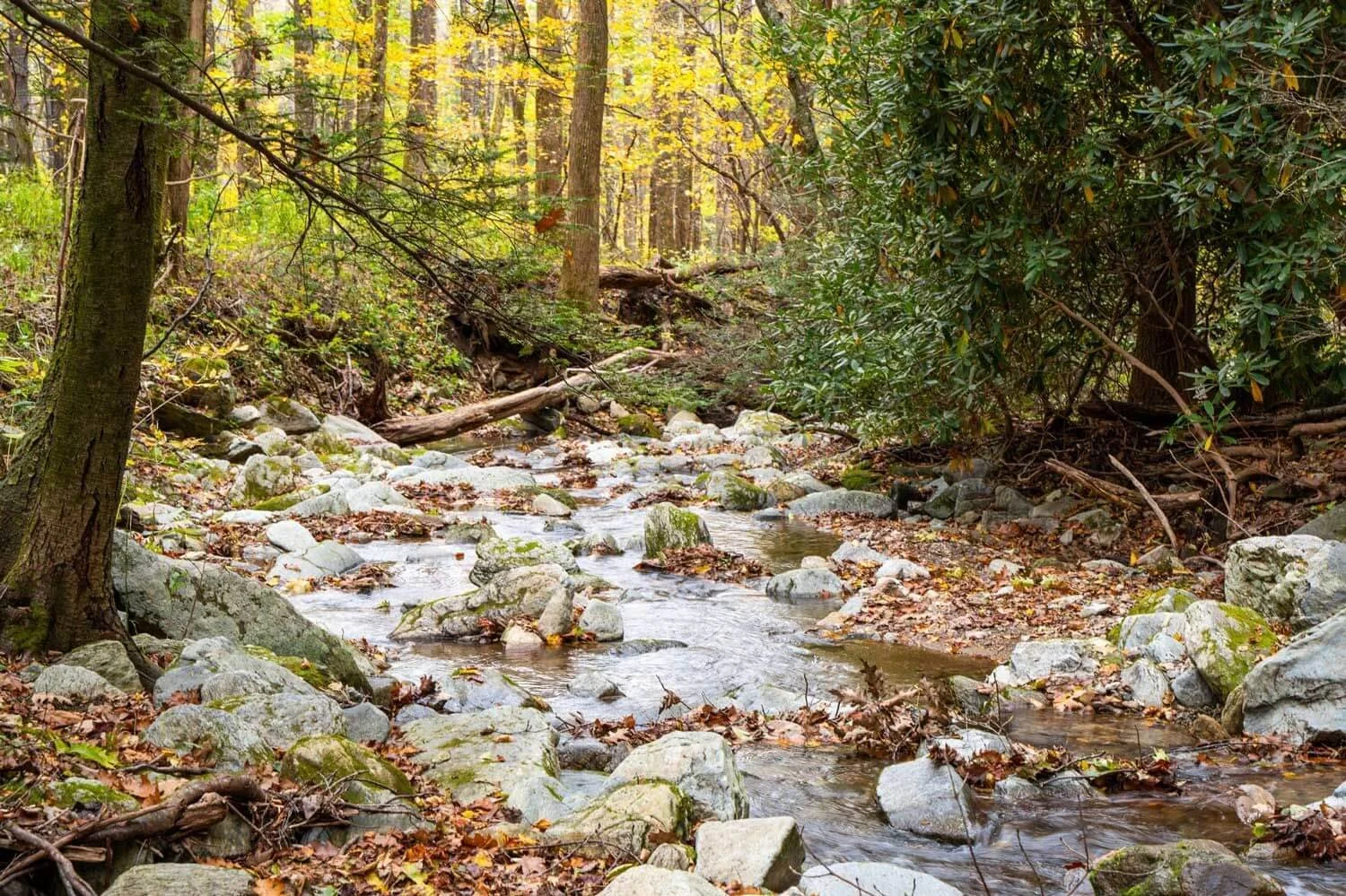
Native brook trout streams protected
Other Terra Alta Projects
Farmland Preservation Program
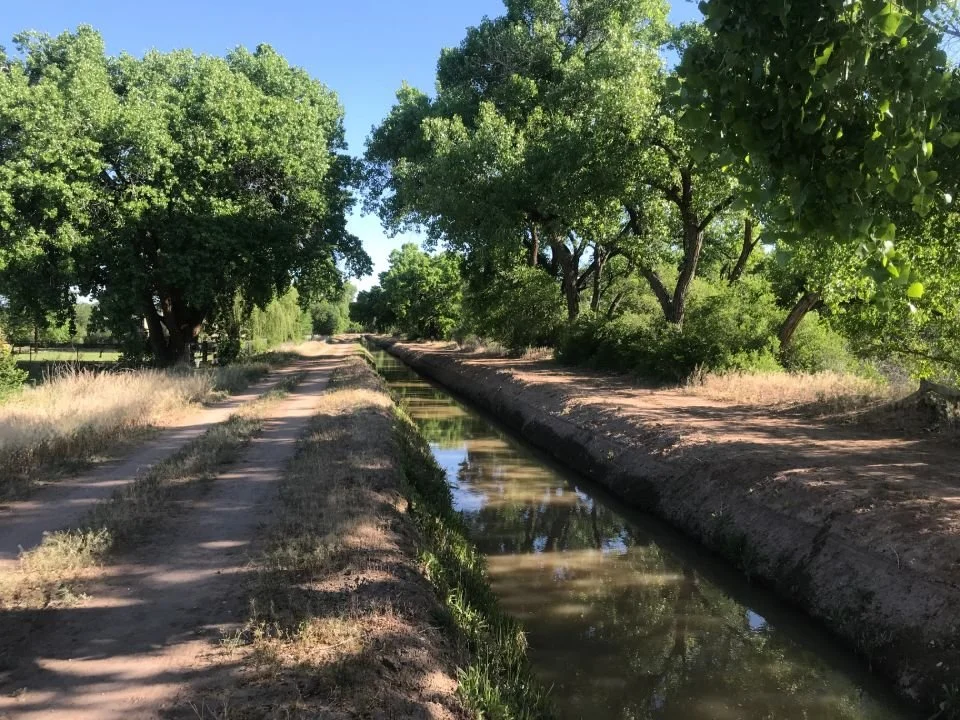
A village passed a bond to protect its farmland and needed the money turned into completed easements.
Terra Alta serves as Conservation Advisor to the program, with three easement projects currently active and four others completed.
Great Canal Farm
A village passed a bond to protect its farmland and needed to turn the money raised into completed easements.
Terra Alta serves as Conservation Advisor to the program, with four conservation easement projects completed and three others currently active.
San Gabriel Valley Community Land Trust Study
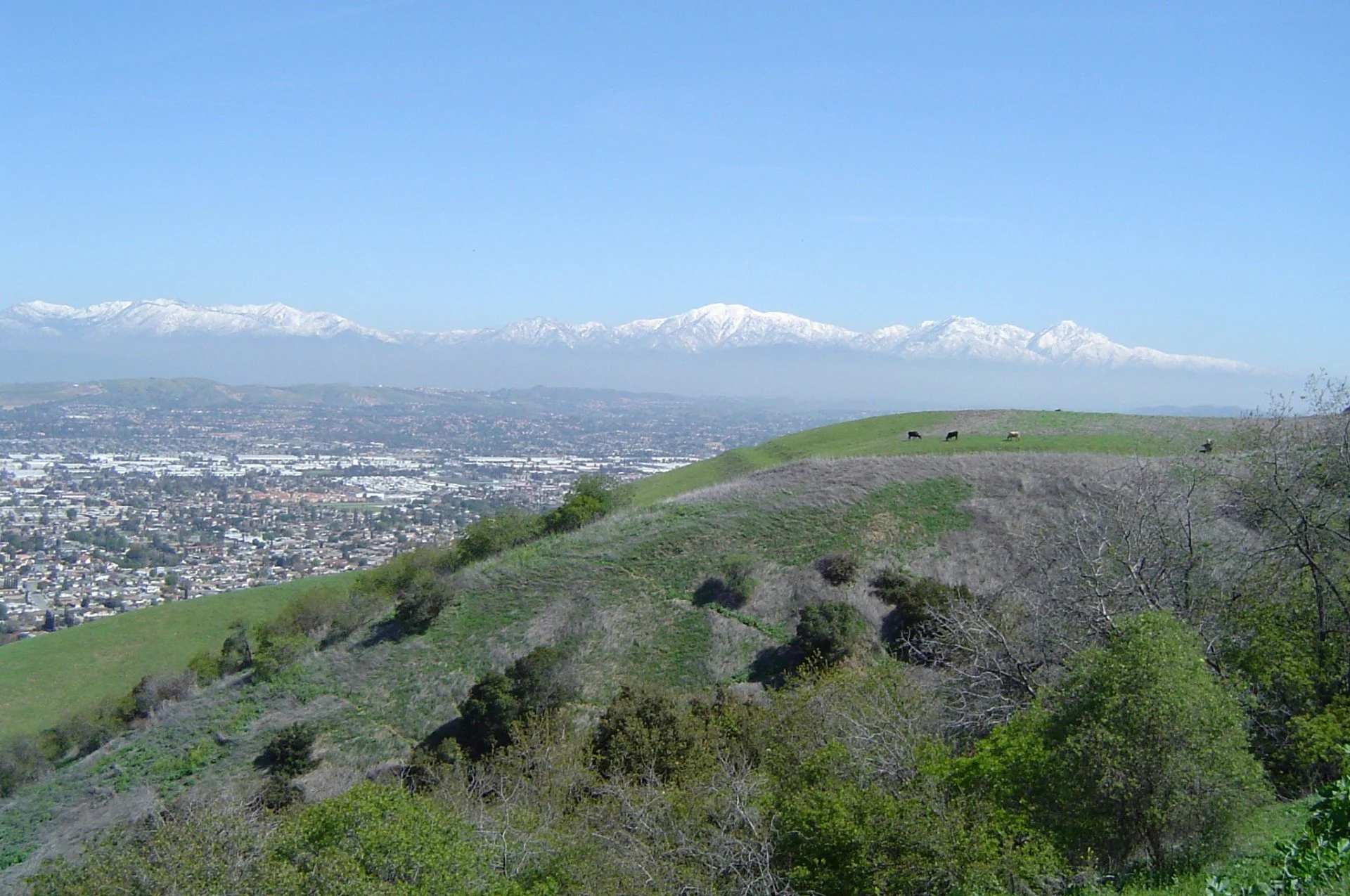
A regional coalition wanted to know whether a land trust would work and where it should start.
Terra Alta led the geographic analysis across 18 municipalities that identified where land acquisition would have the greatest effect.

Start with the property and the questions
You do not need to know which conservation option is right—or whether conservation makes sense at all. Tell us about the property and what you hope to accomplish. We will help identify what is realistically possible and which paths, if any, are worth pursuing.