
Insights
Practical guidance on conservation strategy, planning, funding, and land transactions—along with informed perspectives on buying and selling property in New Mexico.
The Quiet Shift From Conservation Philanthropy to Conservation Investment
For decades, conservation ran on charitable giving and grants. Over the past fifteen years, investors and family offices have started treating conservation-minded land as a long-term asset. A look at what is behind the shift.

Why Would Landowners Voluntarily Protect Their Land with a Conservation Easement?
No one requires a conservation easement; every one is a choice. This looks at why landowners decide to protect their land, from keeping a family operation whole to legacy, estate, and tax planning.
Conserving Agricultural Water Rights: The Role of Conservation Easements
In much of the West, a farm's water right can be worth more than its soil, and there is steady pressure to sell it off. How conservation easements can keep water tied to the land that depends on it.
Your Land, Your Legacy: Flexible Conservation Easements for the Real-World
A conservation easement does not have to lock up the whole property or every use. Landowners can protect the sensitive acres, keep the rights they need, and build terms around how they actually use the land.
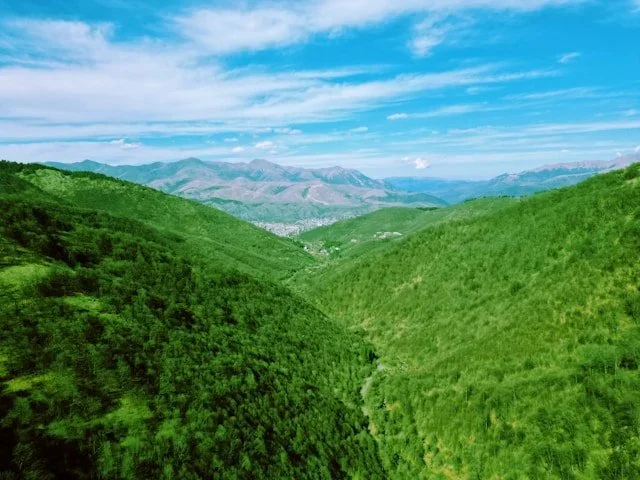
The Quiet Sacrifice of Private Lands Conservation
When a landowner gives up development rights, they give up money they could have taken. A reflection on why owners choose to protect their land, and the public value that quiet decision creates.
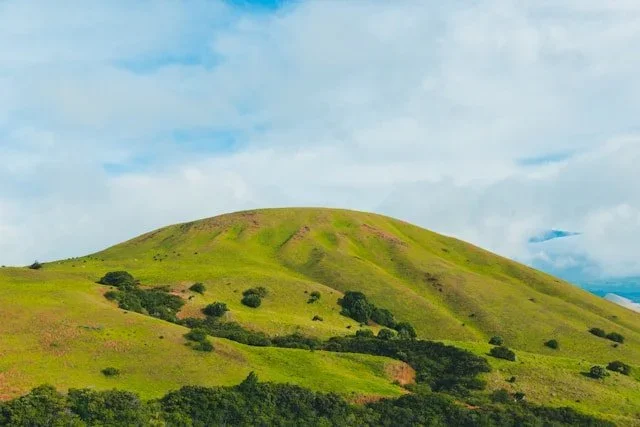
The Case for Hiring a Conservation Advisor When Preserving Your Land
A conservation easement is permanent, and the details decide whether it serves a landowner's goals. This makes the case for what a conservation advisor does, and when bringing one in is worth it.
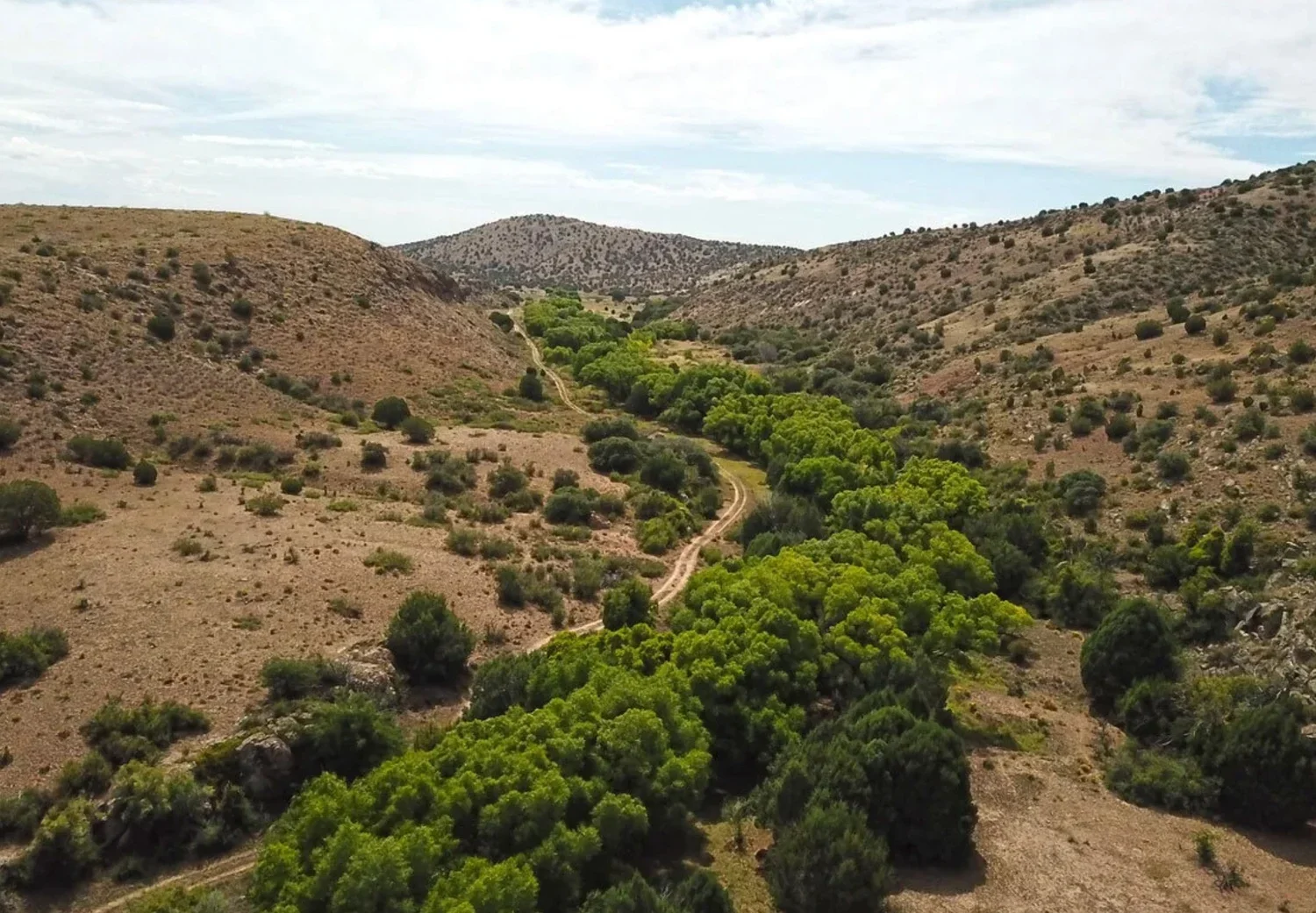
Prevost Ranch: A Case Study in Conservation Easement Real Estate
South of Silver City, desert grassland meets rare wetland on the 2,760-acre Prevost Ranch. A look at how a property already under conservation easement found the right buyer, with its habitat and its ranching both intact.
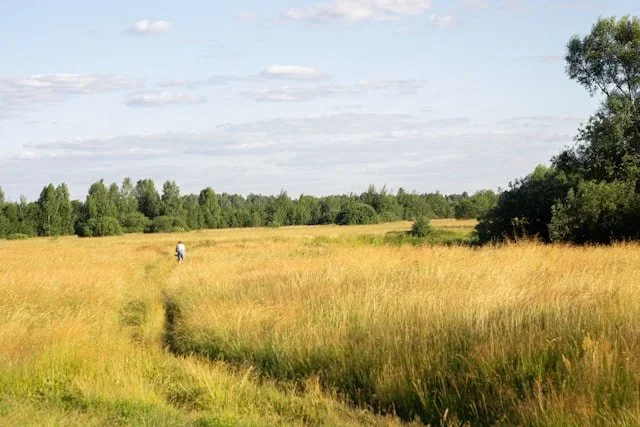
Conservation Easements: Balancing Legacy, Land, and Livelihood
A conservation easement can sound like handing over control. In practice it lets landowners protect what matters, keep the land working, and still own, use, and pass on their property.
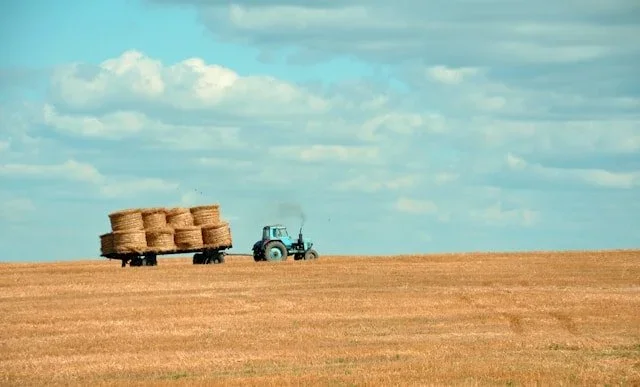
Land Conservation Planning for Private Landowners: A Flexible Path to a Lasting Legacy
Protecting land does not have to be all or nothing. Conservation planning helps private landowners weigh their options, keep working land in production, and shape what happens to a place across generations.
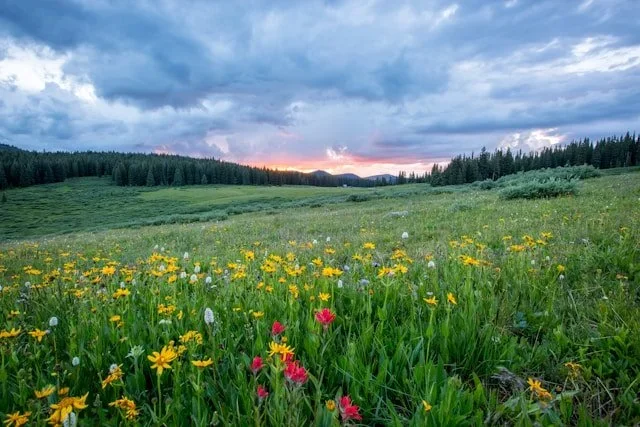
The Public Benefits of Private Land Conservation
Private land does not have to be open to the public to benefit the public. Clean water, wildlife habitat, working farms, and lower infrastructure costs all trace back to land kept in private hands and protected.
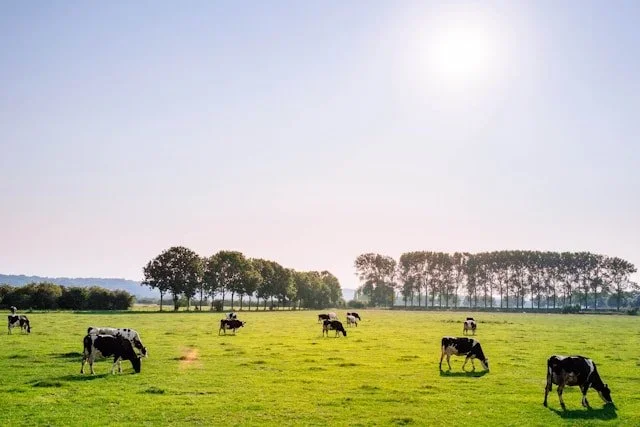
Working Lands & Conservation
Around 60 percent of the country is privately held working land, yet only a small share is protected. A look at how conservation easements and federal programs help keep farms, ranches, and forests both productive and intact.

Tell us what you own or manage and what you are trying to decide. We will give a clear assessment of what may be possible, what it would take to get there, and when there simply are not viable options.